

Headlines in Higher Ed: Week of November 10th, 2025
Government shutdown impacting higher ed, canceled grants impacting future educators, and classroom AI’s impact on learning

Continued Shutdown Fuels Unease on College Campuses
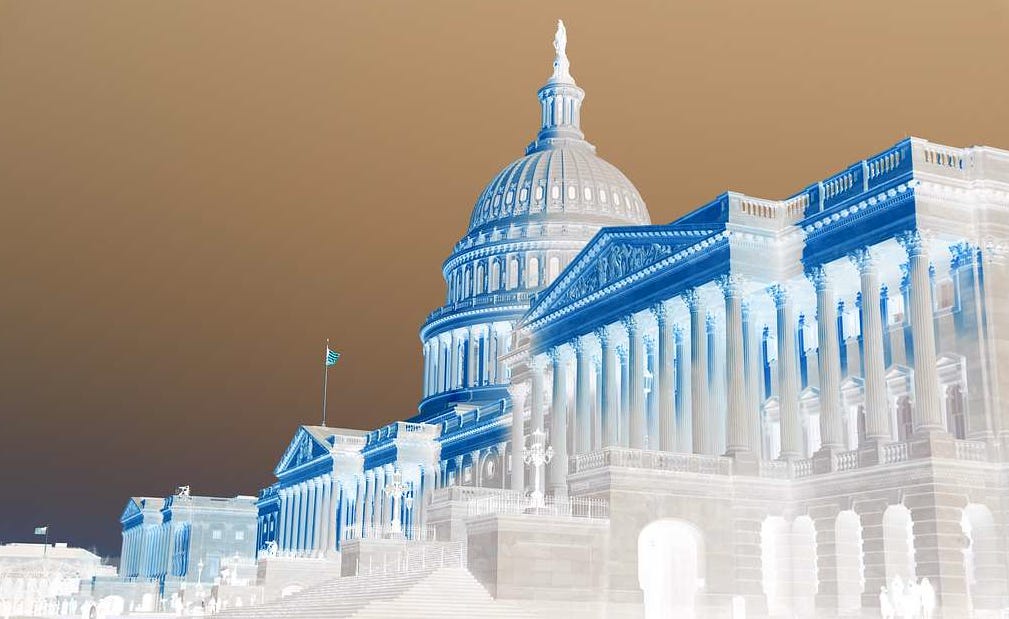
As the federal government enters its sixth week of the longest shutdown in U.S. history, the effects are spreading through college campuses nationwide. Universities that rely on federal research dollars have frozen spending after losing access to millions in delayed research payments. Professors who depend on government-backed health insurance subsidies are bracing for higher premiums as congressional gridlock continues. And now that the first round of SNAP (Supplemental Nutrition Assistance Program) disbursements under the shutdown has been disrupted, more than half a million college students are experiencing additional impacts.
Erika Roberson, senior policy associate at the Institute for College Access and Success
After court orders, the Trump administration agreed to use emergency reserves to fund only half of SNAP’s benefits, which helps low-income Americans buy food, particularly those unable to hold meaningful employment like the elderly, disabled, and full-time students. Payments are delayed and uncertain, leaving campuses scrambling to fill the gap. Some colleges have expanded food drives and emergency scholarships, while others provide free meals and grocery vouchers for affected students. Yet even with partial benefits restored, hunger and anxiety persist. For those students already balancing studies, jobs, and tight budgets in a stagnant economy, the prolonged shutdown is further fueling the “cumulative exhaustion” on campuses.
Rapid Recap
🤝 Cornell Reaches $60M Agreement to End Fed Investigations Cornell University has agreed to pay the penalty and submit detailed admissions data to the federal government in exchange for the restoration of over $250 million in federal funding.
⚖️❌ Financial Aid Inequality A new report reveals that billions in state and institutional aid are disproportionately going to higher-income students due to the increasing reliance on merit-based grants, which favors students that have greater access to resources.
💰✂️ USC Tackles Deficit with Major Layoffs The University of Southern California announced that it projects the full elimination of its funding deficit by the end of the fiscal year, following multiple rounds of layoffs affecting 900+ faculty members since June.
🤷🏾♀️ Federal Funding Cuts Leave Future Teachers in Limbo The U.S. Department of Education’s decision to cut funding for the Augustus F. Hawkins Centers of Excellence grant program is impacting hundreds of aspiring teachers, especially those from minority backgrounds. Go on…
Federal Funding Cuts Leave Future Teachers in Limbo

These grants, which helped students pay for tuition, housing, and other expenses, have been especially critical for students at HBCUs and other minority-serving institutions. The sudden impact has left affected students facing difficult decisions: either take on student loans or drop out altogether. Reduced access to teaching careers only further strains education systems in high-poverty areas where qualified teachers are already in short supply. With the future of these grants uncertain, many students worry that their dreams of becoming educators may be shattered, just as they are on the verge of finishing their studies.
AI’s Growing Role in Schools Raises Serious Questions
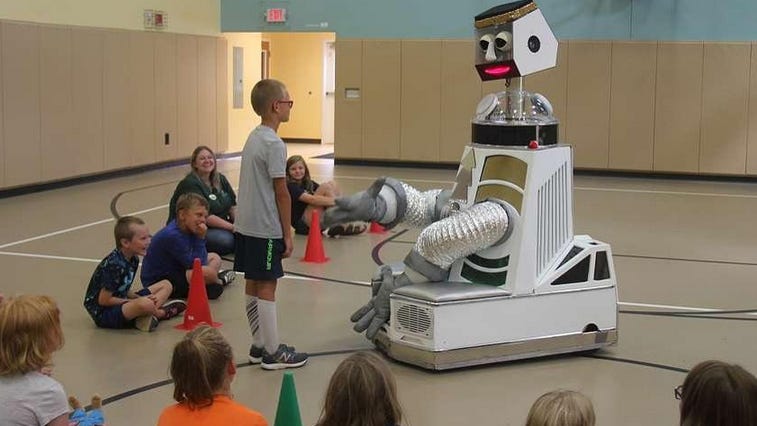
The rapid rise of AI use in classrooms is sparking concerns about its potential negative impacts on students. While 85% of teachers and 86% of students used AI in the 2024-25 school year, last month’s report from the Center for Democracy and Technology highlights several risks. One major issue is that AI is weakening students’ connections with teachers and peers, with nearly half of students reporting feeling less engaged with their teachers. Additionally, many teachers worry that AI undermines critical thinking and research skills. The report also points to privacy concerns and the potential for AI to perpetuate bullying or harassment. Experts emphasize the need for proper training for both educators and students to ensure AI is used effectively and responsibly.
What’s your Angle
Refer a friend!
Thank you for reading Admissions Angle: Headlines in Higher Ed — your support allows us to keep doing this work.
If you enjoy Admissions Angle: Headlines in Higher Ed, consider inviting your friends to subscribe and read with us. If you refer friends, you will receive benefits that give you special access to Admissions Angle.
How to participate:
1. Share Admissions Angle: Headlines in Higher Ed. When you use the referral link below, or the “Share” button on any post, you'll get credit for any new subscribers. Simply send the link in a text, or email, or share it on social media with friends.
2. Earn benefits. When more friends use your referral link to subscribe (free or paid), you’ll receive special benefits.
Get a 1 month comp for 5 referrals
Get a 3 month comp for 10 referrals
Get a 6 month comp for 25 referrals
To learn more, check out Substack’s FAQ.
Thank you for helping get the word out about Admissions Angle!