

UC Needs Extra Time on the SAT
UC professors say scrapping the SAT broke their classrooms, Texas A&M cancels courses without explanation and the Supreme Court draws a new line on transgender athletes

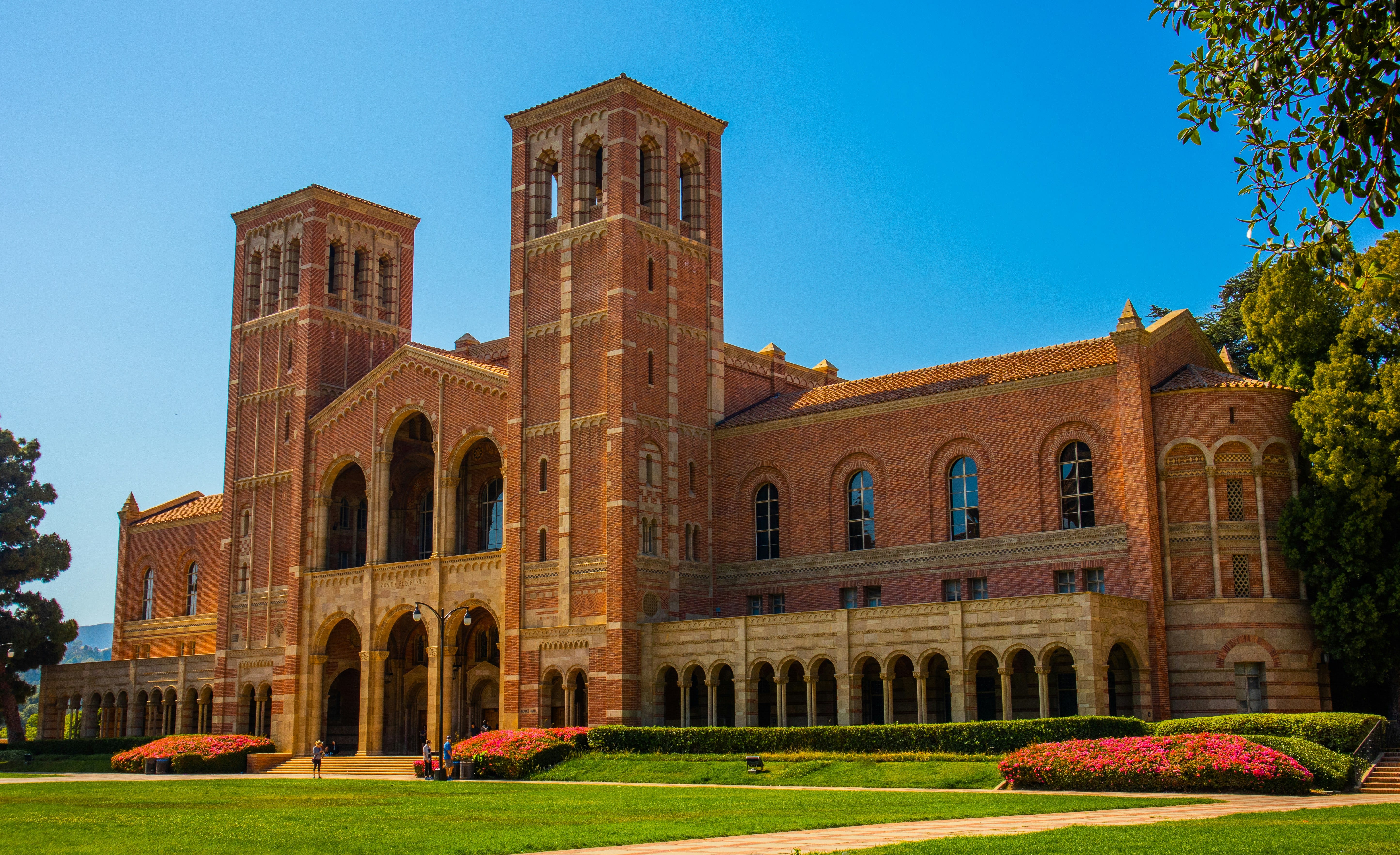
UC quietly killed its own plan to reconsider the SAT and ACT on Friday, a plan it had announced only a month earlier. By Monday, outlets including the Los Angeles Times were reporting the university had suspended the review altogether.
UC says that read is wrong. Academic Senate chair Ahmet Palazoglu called it a matter of timing, not intent, and at Tuesday’s regents meeting, board chair Maria Anguiano said the review will actually wrap sooner, by June 2027 instead of the original fall 2027 target. Underneath the confusion is a real fight: more than 2,300 UC faculty members want SAT or ACT math scores required again for STEM applicants, arguing UC’s own classrooms are paying for their absence.
“Without the SAT, our introductory courses are forced to reteach elementary and middle school material. This wastes opportunities, misallocating resources rather than increasing access.”
— Mina Aganagic, professor of physics and mathematics, UC Berkeley
Only the regents can actually bring the tests back, and no vote is scheduled. What happened this week wasn’t a retreat, it was UC trying to slow the conversation down without admitting that’s what it was doing.
What This Means
Nothing changes for anyone applying in the next two cycles, but the pressure is building in one direction. If UC’s review lands anywhere close to what the STEM faculty are asking for, testing could return for STEM applicants as soon as fall 2027, which means today’s high school sophomores could be the first class caught by it. Worth tracking now, not in a year.
Rapid Recap
🎓💰 Penn State, Temple and Pitt Get a Funding Boost — Pennsylvania’s three state-related universities will split a new $10 million performance-based funding pool, well short of the $30 million Gov. Josh Shapiro requested. Temple is still laying off 40 employees despite the extra money.
🎓📊 Confidence in Higher Ed Slips to 38% — A new Gallup poll finds 38% of U.S. adults are confident in higher education, down from 42% last year and driven mostly by a drop among Democrats. For the first time, Gallup also asked about AI, and 46% of respondents said they expect it to make a degree less valuable.
🎓🔧 A New Path Between Trade School and a Degree — University of Mount Saint Vincent is partnering with Apex Technical School to let students earn trade credentials and college credit on the same track, starting with electrical training this fall. Apex graduates can transfer up to 30 credits toward an associate degree, and President Susan Burns called it a “yes-and,” not an either-or.
⚖️ Supreme Court Upholds Bans on Transgender Athletes — The Supreme Court ruled in West Virginia v. B.P.J. that Title IX allows colleges to restrict women’s sports teams to “biological sex,” upholding state laws in West Virginia and Idaho. Twenty-seven states now have similar restrictions on the books, and legal experts expect the ruling to fuel new litigation on both sides.
What This Means
This ruling doesn’t change anything for the 2026-27 admissions cycle, but it adds a research item families didn’t used to think about: what a state’s athletic eligibility policy looks like, and how likely it is to end up in court. Twenty-seven states already restrict participation by gender identity, and legal experts expect more states and advocacy groups on both sides to test the ruling in the months ahead. For a recruited athlete, or a family comparing schools across state lines, that’s now practical due diligence, not a hypothetical.
Texas A&M Cancels Two Courses Under New Policy

Texas A&M adopted a policy in December that restricts how professors can teach race, gender and sexual orientation in core courses. Anyone who wants to keep those topics has to file for an exception, and the final call rests with the university president.
This fall, that review process actually canceled classes. Of 45 courses submitted, 31 got a straightforward yes and eight got a conditional one, readings cut, syllabi rewritten. Two didn’t survive at all: LGBTQ Literatures and Introduction to LGBTQ Studies, both pulled from the registration system with students already enrolled.
The professors involved say nobody explained why. One denial notice, in full: “Exception Denied — Please cancel this course... Not required or adequately justified given the high preponderance of noncompliant material.”
“The fact that the explanation was not even two complete sentences confirmed for me that the review of the request was not serious. I think the president had already made a calculated decision to not approve this.”
— Landon Sadler, lecturer, Texas A&M University
Texas Tech is fighting a version of the same battle. A lawsuit filed last week accuses that university system of running its own opaque review process.
What This Means
A course catalog is a promise a school might not keep. These two classes existed when this year’s applicants were building their lists, and they didn’t exist by the time anyone showed up to register. If a state is actively rewriting what can be taught, that’s worth a direct question to admissions, not an assumption that this fall looks like last year’s brochure.
Admissions Angle works with families as early as 8th grade to build college lists that hold up no matter which way a school’s testing policy swings, not assumptions locked in before junior year. If UC’s SAT reversal has you wondering what will actually be required by the time your student applies, book a free discovery call with us.
Refer a friend
Share Admissions Angle and earn benefits: 5 referrals gets you a month free, 10 gets you three months, 25 gets you six. Share the link here, or check out Substack’s referral FAQ for details.